
Understanding the psychology behind gambling behavior
Understanding the psychology behind gambling behavior
The Thrill of Uncertainty
The allure of gambling often lies in its unpredictable nature. The uncertainty of outcomes creates a thrilling experience for players, which can lead to heightened emotions. This adrenaline rush triggers the brain’s reward system, releasing dopamine, a neurotransmitter associated with pleasure. Consequently, many individuals find themselves drawn to gambling, not just for the potential financial reward but for the excitement that comes with it. Players can explore platforms like Red Stag Casino to experience this thrill firsthand.

This psychological thrill can sometimes cloud judgment, leading players to chase losses or engage in risky betting behavior. Understanding how uncertainty influences gambling choices can help individuals manage their play and develop healthier gaming habits.
Cognitive Biases in Gambling
Cognitive biases play a significant role in how people perceive their chances of winning. For instance, the gambler’s fallacy—the belief that past events can influence future outcomes—can lead to irrational betting decisions. Players may feel that a losing streak must be followed by a win, causing them to increase their stakes recklessly.
Additionally, confirmation bias can lead players to focus on winning experiences while ignoring losses, reinforcing the notion that they are on a winning streak. These cognitive biases contribute to a distorted view of gambling and can exacerbate problematic behaviors.
The Role of Emotional Factors
Emotions heavily influence gambling behavior. Many individuals turn to gambling as a means of coping with stress, anxiety, or even boredom. This emotional escape can provide temporary relief but may lead to harmful consequences if gambling becomes a primary coping mechanism.
Furthermore, the highs of winning can create a sense of euphoria, while losses can lead to feelings of despair. Understanding the interplay between emotions and gambling can empower individuals to recognize when their gambling is driven by emotional states rather than rational decision-making.
Social Influences on Gambling Behavior
Social contexts greatly impact gambling behavior. Peer pressure and cultural norms can significantly affect an individual’s likelihood of engaging in gambling activities. In environments where gambling is socially accepted or celebrated, individuals may feel more inclined to participate.
Moreover, the rise of online casinos has fostered a sense of community among players, which can further reinforce gambling behavior. Understanding the social factors that contribute to gambling can help individuals navigate their choices and promote responsible gaming practices.
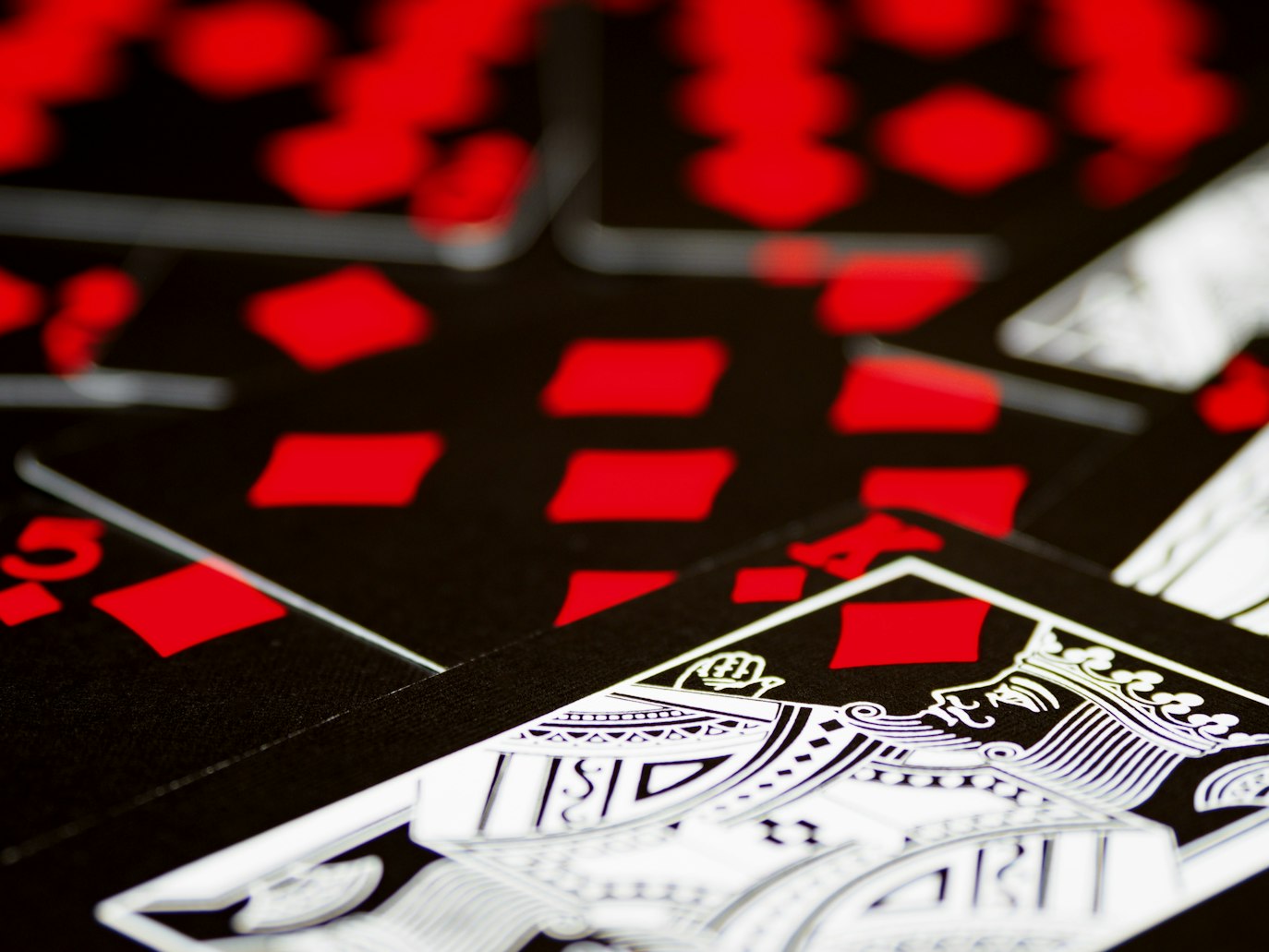
Red Stag Casino: A Safe Gambling Experience
Red Stag Casino exemplifies a commitment to providing a responsible gambling environment. With a diverse range of games and enticing promotions, the platform ensures that players enjoy an engaging and thrilling experience while emphasizing the importance of financial management.
By incorporating tools for self-regulation, Red Stag Casino encourages players to set limits and gamble responsibly. Understanding the psychology behind gambling behavior can enhance the gaming experience, making it enjoyable without compromising well-being.
